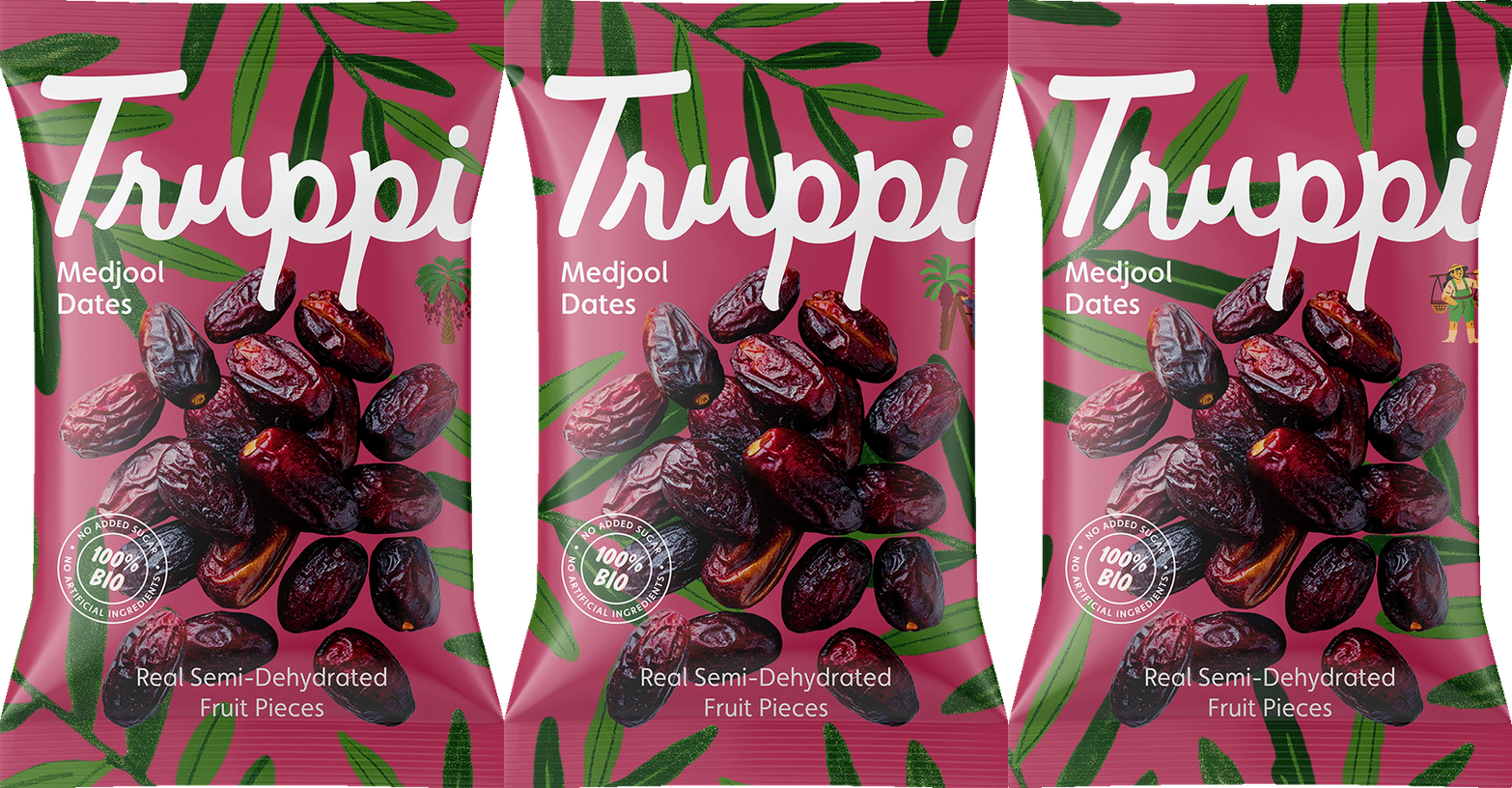
Medjool dates — the large, soft, deeply caramel variety that is to ordinary dried dates roughly what a fresh fig is to a dried one.
What makes Medjool different
Most supermarket dates are Deglet Nour: smaller, firmer, drier, and honestly rather dull. Medjool are a separate cultivar, harvested at a softer stage and left far more moist. The flesh is fudgy rather than chewy, the skin is thin and slightly wrinkled, and the flavour runs to butterscotch, caramel and molasses with a faint tannic edge at the finish.
They are a semi-dried fruit rather than a fully dried one, which is why they need to be kept cool and why they are so much more perishable than a packet of Deglet Nour.
The white bloom is not mould
The most common question about Medjool dates, and worth answering clearly: a fine white or pale film on the surface is crystallised natural sugar that has migrated out of the flesh, usually after the dates have been cold. It is completely harmless and is in fact a sign of a genuinely sugary date. Warming them gently in the hand or for a few seconds in a low oven redissolves it.
Actual mould looks quite different — fuzzy, coloured, and it smells wrong. Sugar bloom is powdery, white and smells of nothing.
Using them
Eaten as they are, with the stone removed — they are not pitted, so check every one. Stuffed with an almond, a walnut or a little soft cheese, which is a two-minute thing to put out with coffee. Blitzed with a splash of water into date paste and used to sweeten baking. Chopped into tagines, rice, granola or a salad with bitter leaves and blue cheese. Blended into smoothies, where they are far better than any syrup.
Honestly, on sugar
Dates are around 65–70% sugar by weight. It is fruit sugar in a whole-fruit matrix with fibre and minerals attached, which is a genuinely better proposition than a spoonful of table sugar — but it is not a low-sugar food, and "naturally sweet" does not mean "eat as many as you like". Two or three is a portion.



 treatfuls
 treatfuls
 treatfuls


