A light, quickly absorbed body lotion from Weleda, 200 ml, built around wild rose — rosehip seed oil and rose essential oil — for normal skin that wants comfort rather than heavy repair.
Rosehip seed oil is not rose oil, and the difference is worth knowing. Rose essential oil is distilled from petals; it is one of the most expensive materials in perfumery, and it is there for the scent. Rosehip seed oil is pressed from the seeds inside the fruit of the wild rose — Rosa moschata and its relatives — and it is there for the skin. It barely smells of anything. This lotion contains both, doing two entirely different jobs.
What makes rosehip seed oil unusual. Around 80% of it is polyunsaturated — mostly linoleic and alpha-linolenic acid — which is exceptionally high for a plant oil and is why it feels so light and sinks in so fast rather than sitting on the skin. Linoleic acid also happens to be a direct building block of ceramides, the lipids that hold the skin barrier together. The trade-off is stability: polyunsaturated oils oxidise readily, which is why rosehip oil goes rancid faster than almost anything else on a bathroom shelf. In a properly formulated lotion this is managed, but the principle explains why the pure oil should be kept cool and used within months.
What a body lotion can and cannot do. It can improve how skin feels and looks, hold water in the outer layer, and support a barrier that daily washing keeps disturbing. It cannot reverse skin ageing, and no lotion applied to arms and legs will. If that is what you are after, the honest answer is unglamorous: sun protection does more for how skin ages than every cosmetic ever formulated, by a wide margin.
Timing beats product. Apply within three minutes of a shower, on skin that is still damp. A moisturiser works largely by trapping water — on bone-dry skin there is much less to trap.
Weleda, Arlesheim, Switzerland, since 1921. Available at Só Verde, an organic concept store in Foz, Porto.


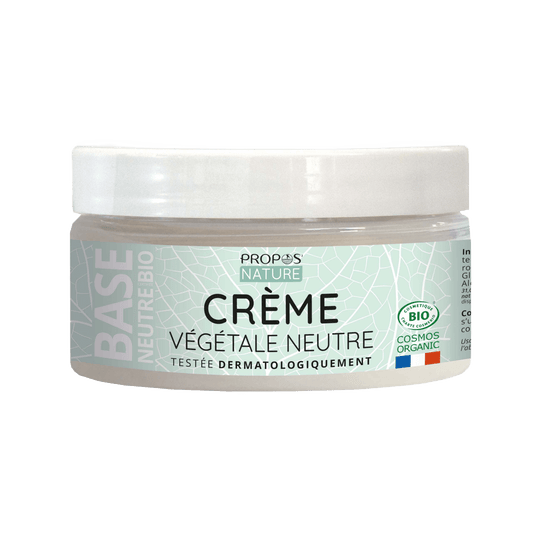


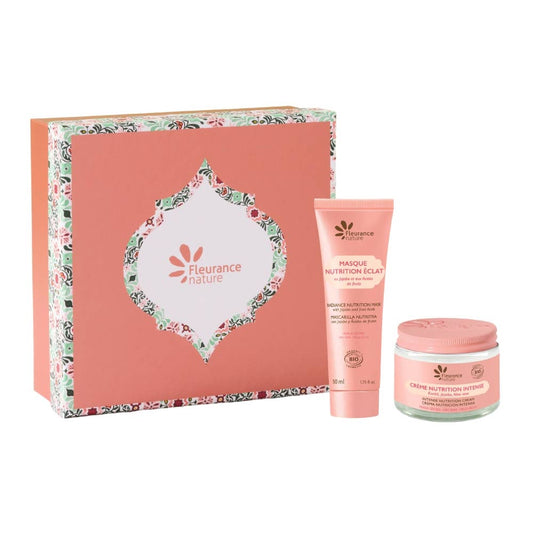

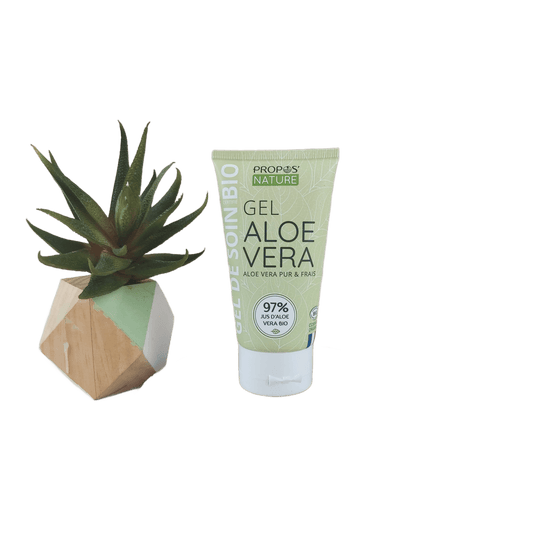


 Propos'Nature
 Daki saboaria artesanal
 Fleurance Nature
 Propos'Nature


