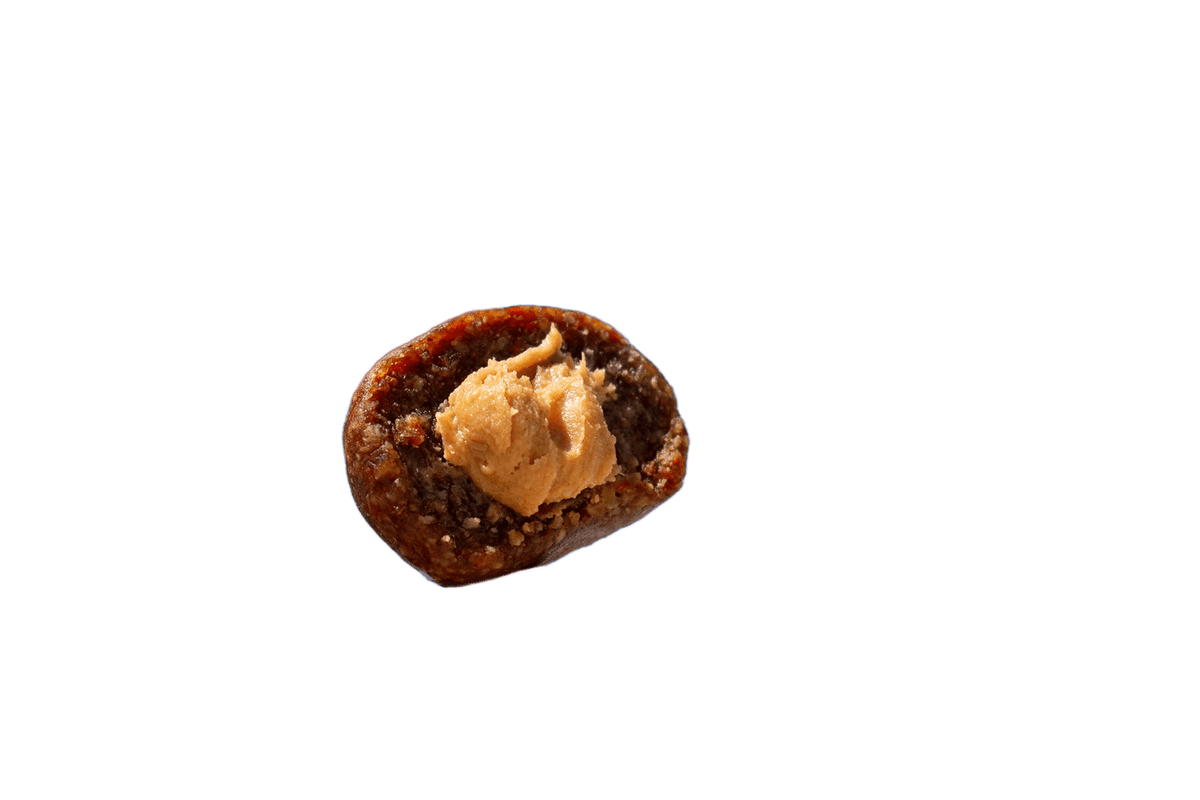
Filled bites with the flavour of carrot cake — warm spice, sweet root vegetable, and a creamy centre standing in for the frosting. Soft, small, and easier to share than a bar.
Carrot cake is older than it looks. It is not a health-food invention. Cooks have been sweetening cakes with carrot since at least the Middle Ages, when sugar was ruinously expensive and carrots were the sweetest thing in the garden. The idea came back properly in Britain during the Second World War, when the Ministry of Food pushed carrots hard because sugar was rationed and carrots were not. The modern version, with cream cheese on top, is a much later American addition.
What makes the flavour. Not really the carrot — cooked carrot is mild. It is the spice: cinnamon, and usually nutmeg, ginger and clove behind it. Those warm, sweet-smelling spices are what your nose actually identifies as carrot cake. The carrot itself contributes moisture, gentle sweetness and colour. treatfuls build the same profile on a date-and-oat base, with a creamy filling where the frosting would be.
No egg, no dairy, no added sugar. Which is the useful part: a traditional carrot cake is out of bounds for a lot of people at once — eggs, butter, cream cheese, flour, sugar. This gets to the same flavour without any of them.
Handling. Filled balls are soft and warm up faster than the coated bars. They are at their best from a tin at home or in a small rigid container; loose in a bag in August, less so.
Contains nuts and oats. Vegan, organic, gluten-free, no palm oil, no soy, no lactose. Available at Só Verde, an organic concept store in Foz, Porto.




 treatfuls
 treatfuls
 treatfuls
 treatfuls


