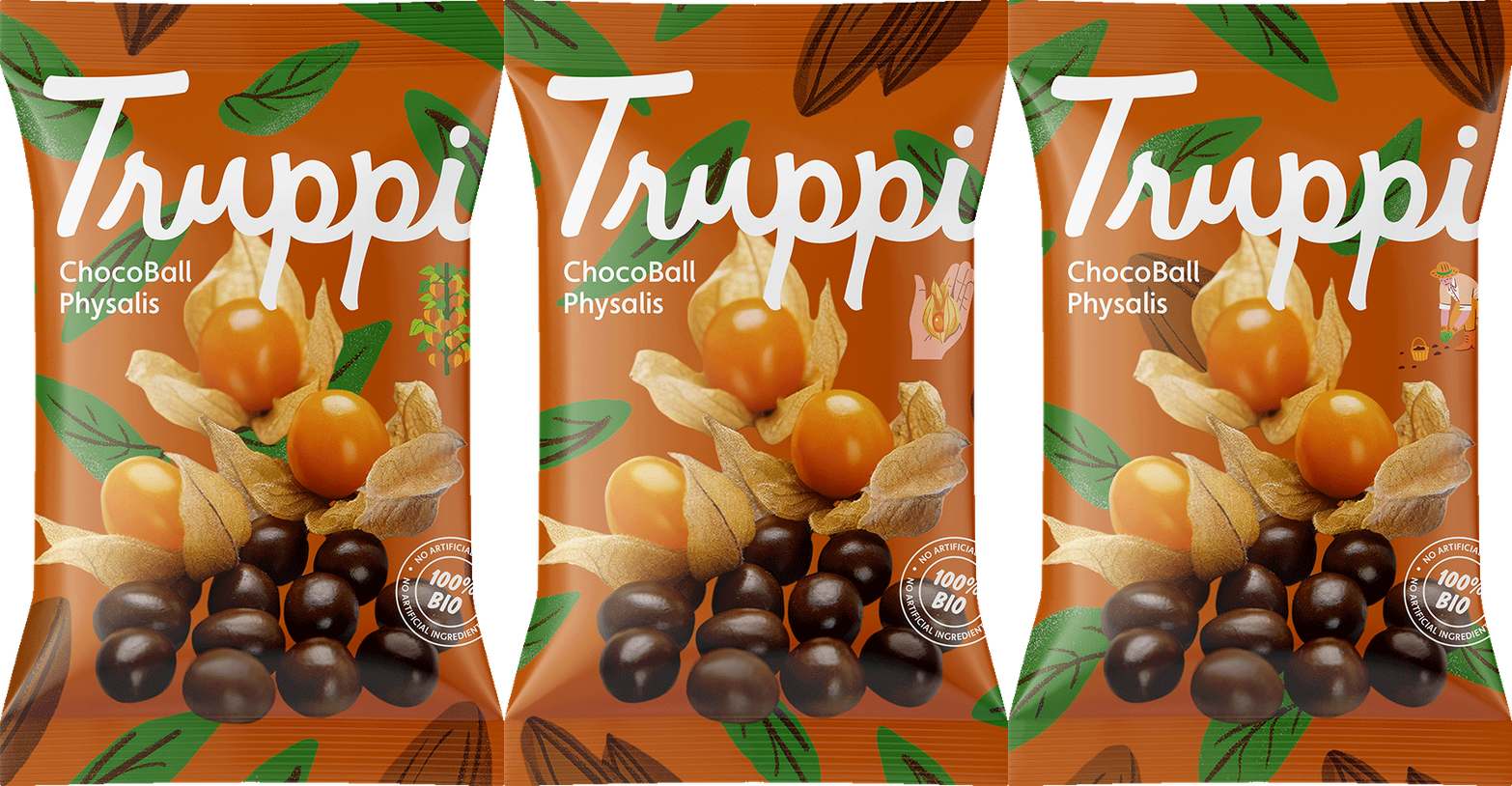
Dried physalis berries coated in chocolate — small, tart, chewy fruit inside a chocolate shell, and one of the more genuinely interesting things in the sweet aisle.
What a physalis is
Also called cape gooseberry, golden berry or uchuva — Physalis peruviana, a South American relative of the tomato and the tomatillo. The fresh fruit is a small orange berry inside a papery lantern-shaped husk, which is why chefs use them whole, husk peeled back, as a garnish on a dessert plate.
Dried, they shrink to something like a large raisin but stay far sharper than any dried grape. That sharpness is the point: physalis holds onto a real acidity through drying, which most dried fruit loses.
Why chocolate works on them
Because acidity and bitterness balance each other. Most chocolate-coated dried fruit is sweet inside a sweet shell — raisins, cranberries with added sugar — and the result is monotonous. A physalis is genuinely tart, so the fruit cuts through the chocolate rather than disappearing into it, and each one has a sour snap at the centre.
The texture works the same way: a chewy, slightly resistant centre against a shell that breaks cleanly.
Serving them
With coffee at the end of a meal, in place of a dessert. Scattered on a cheese board, where the acidity does real work against something rich. On top of an ice cream or a chocolate mousse. Or simply in a bowl, where they disappear quickly.
Keeping them
Chocolate is the fragile part. Keep them somewhere cool and dry — 15 to 18 °C is ideal — away from strong smells, which cocoa butter absorbs readily, and out of direct sun. Avoid the fridge unless the room is genuinely hot: it is humid in there, and condensation on chocolate causes a dull sugar bloom.
If the surface has turned pale and streaky, that is bloom. It is harmless and they are still perfectly good, just less glossy.
Allergens
Check the pack for the chocolate's full declaration — milk chocolate contains milk, and chocolate is commonly produced alongside nuts and soy.



 MEURISSE - est.1845
 MEURISSE - est.1845
 MEURISSE - est.1845
 MEURISSE - est.1845


