An organic aloe gel made with over 97% juice from fresh inner-leaf fillets of organically grown Aloe barbadensis from South America. Light, non-greasy and non-sticky — it sinks in and disappears rather than sitting on the skin.
What "fillet" means, and why it is the important word
An aloe leaf has two quite different substances in it, and separating them is the whole job.
-
The inner gel (the fillet) — the clear, watery flesh at the centre. Mostly water, with polysaccharides, sugars, amino acids and trace minerals. This is what you want.
-
The latex — a bitter yellow sap in a thin layer just under the rind, rich in aloin. Aloin is a stimulant laxative, and preparations containing it are regulated as such. It is also the source of aloe's reputation for causing cramping and irritation.
"Fillet" means the leaf was cut open and the inner gel lifted out, leaving the latex behind with the rind. It is more work and more waste than crushing whole leaves, and it is the difference between a good aloe gel and a harsh one.
What aloe gel actually does
Aloe is routinely sold as "repairing", "purifying", "firming" and "regenerating", with promises of "a remarkable natural firming effect". None of that appears here. Repairing and regenerating imply healing, which is a medicinal claim a cosmetic may not make under EU law, and "firming" in that sense is not something a water-based gel does.
What aloe gel genuinely is: an excellent, light humectant that holds water against the skin, feels immediately cooling, and layers under anything. That is a real and useful thing to be, and it is why aloe has been on shelves for four thousand years.
When to use it — and when to see a doctor instead
Aloe gel on hot, tight skin after a day outside feels wonderful, and there is no reason not to enjoy that. But please be clear about what is happening: it is soothing a sensation, not treating a burn.
-
Any burn needs cool running water first — twenty minutes of it — before anything is applied. Gel is not a substitute for that step.
-
See a doctor for any burn that blisters, any burn larger than the palm of a hand, any burn on the face, hands, feet or genitals, any burn on a baby or young child, and any sunburn accompanied by fever, chills, headache or feeling unwell. That last combination is heatstroke territory, not a skincare problem.
- Do not put gel on broken or weeping skin.
How to use it
-
On its own, on damp skin, as a very light hydrator — particularly good for oily skin that dislikes cream.
-
Under a day cream, as the water step before the oil step. This is where it works best: a humectant needs something over it to hold what it has drawn in.
-
After sun, on skin that has already been properly cooled.
-
In hair, as a light leave-in for curls and waves, or to settle frizz. Use a very small amount and it will not go crunchy.
-
Keep it in the fridge in summer. Cold aloe is a genuinely lovely thing.
Practical notes
-
Patch test first. Aloe is in the same family as onion, garlic and tulip, and allergic contact dermatitis to it is uncommon but well documented — particularly in people who react to those plants.
- Keep it out of the eyes.
-
A product this close to pure plant juice is perishable. Keep the cap on, store it cool and out of the light, refrigerate it once open, and note the period-after-opening symbol on the packaging. If it changes colour, smell or texture, stop using it.
- This is a topical cosmetic. Do not drink it.





 Weleda
 Daki saboaria artesanal
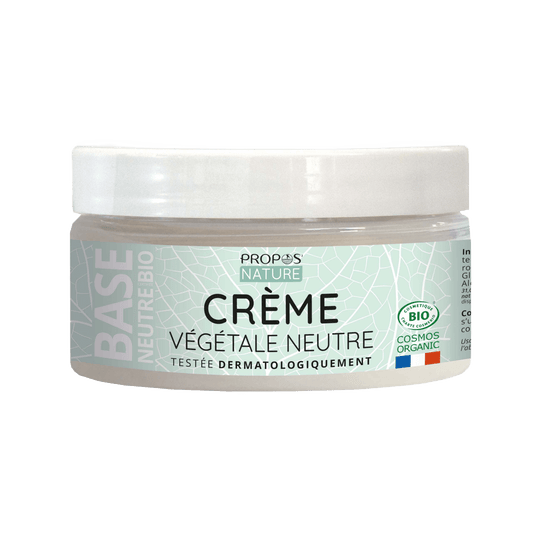
 Propos'Nature
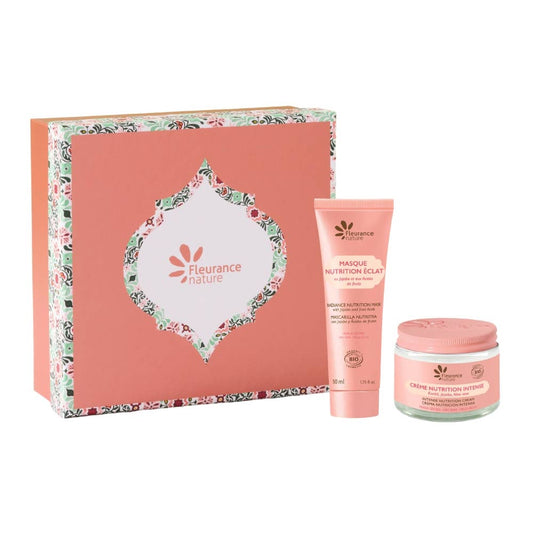
 Fleurance Nature


